Loading...
Serving Homestead, FL and surrounding areas. (786) 244-9586
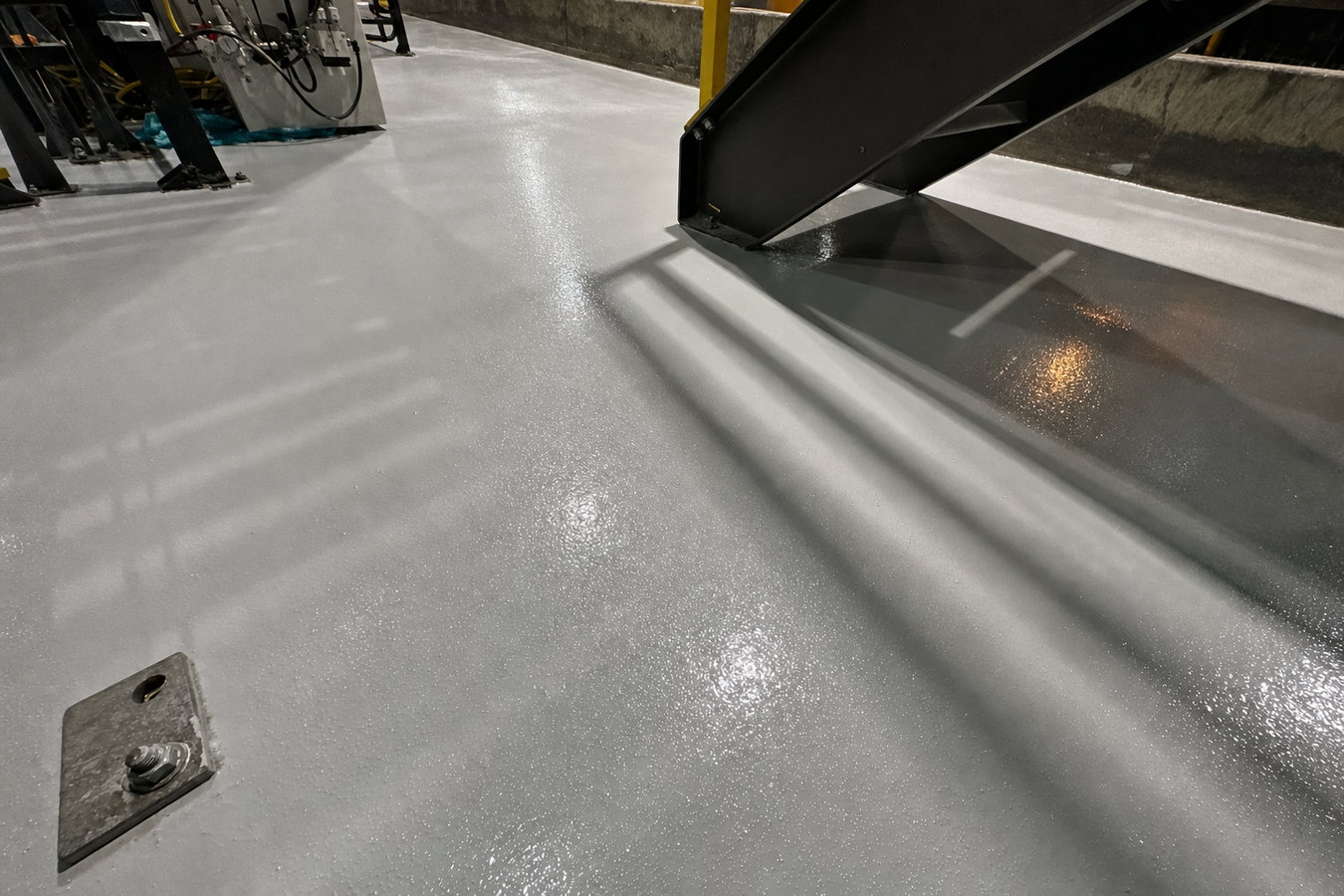
Standard epoxy bubbles and peels in South Florida's moisture. Urethane cement is built differently - engineered to stay bonded through flooding, humidity, and the heavy use that Homestead garages and utility spaces see every day.
Urethane cement flooring in Homestead, FL is a thick, poured coating - applied at least a quarter-inch deep - that bonds directly to your concrete slab and cures into a seamless, moisture-resistant surface, with most residential jobs completed in two to three days.
This material was originally developed for food processing plants and commercial kitchens - spaces that deal with constant moisture, temperature swings, and heavy cleaning. Homestead homeowners have started using it in garages, laundry rooms, and covered patios for the same reasons. If your space gets wet, floods during storm season, or sees daily wear from equipment or chemicals, urethane cement is built for exactly that. If you want more information on what separates this system from a standard commercial epoxy coating, we are happy to walk through the differences on-site.
Unlike thin paint or standard epoxy films, urethane cement becomes part of your floor rather than sitting on top of it. That is what makes it so resistant to the moisture vapor that constantly pushes upward through Homestead's slab-on-grade construction.
If a previous coating is lifting off the slab in patches, it almost certainly traces back to moisture pushing up from below - a very common problem in Homestead given the shallow water table. Patching over the peeling areas will not fix it. The moisture issue needs to be addressed before any new coating goes down.
That powdery white film appearing on your concrete after heavy rain is efflorescence - mineral salts pushed up through the slab by moisture from the ground below. In South Florida's wet season this can happen repeatedly and will get worse over time. A urethane cement system with a proper moisture barrier installed underneath stops the cycle.
Bare concrete with cracks and surface pitting traps dirt, oil, and chemicals in ways that no amount of scrubbing fully fixes. If you find yourself mopping the same stains repeatedly without real improvement, the surface itself is the problem. A seamless urethane cement floor eliminates those hiding spots and makes cleanup genuinely easy.
If your garage or utility room takes on water during heavy rain - which is common in low-lying parts of Homestead - a standard floor coating will eventually fail from repeated wetting and drying cycles. Urethane cement is designed to handle exactly this kind of intermittent flooding, and its seamless surface means water does not get trapped underneath the way it can with tile or laminate.
Every urethane cement job starts with the same process: grinding the slab to open the surface, moisture testing, crack repair if needed, and a primer coat before the body coat and topcoat go on. For spaces with high moisture readings, we add a dedicated moisture-blocking layer first. The finished surface can be smooth with a fine aggregate broadcast in for grip, or given a light texture - practical in any wet-prone area. For homeowners who want a more decorative option, metallic epoxy flooring delivers a glossy, one-of-a-kind look over the same properly prepared slab.
We also install standard polished concrete flooring for homeowners and businesses that want a clean, durable surface without a coating system at all. If you are not sure which approach fits your space and budget, we talk through the options during the on-site quote - no pressure, just straight answers.
Best for garages, laundry rooms, and utility spaces that see moisture and heavy foot traffic - the same system used in commercial kitchens, brought to your home.
Suited for spaces where slab moisture testing shows high vapor transmission - adds a dedicated moisture-blocking primer layer before the body coat for maximum long-term adhesion.
Ideal for any wet-prone area, covered patio, or space where grip underfoot matters - a fine aggregate is broadcast into the topcoat without sacrificing the seamless look.
Homestead borders the Everglades, where the water table is extremely shallow - sometimes just a few feet below the surface. That means moisture is constantly pushing upward through concrete slabs, and any coating applied without first testing and addressing that moisture will eventually bubble and peel. Homestead was also largely rebuilt after Hurricane Andrew in 1992, and many garages and utility spaces in the area double as storm prep and storage zones. Homeowners here prioritize floors that can handle flooding, heavy equipment, and the kind of repeated wetting and drying that comes with South Florida storm seasons. Urethane cement was built for exactly that use case.
Agricultural work in the area also means floors see fertilizers, pesticides, and other chemicals that would destroy a standard painted surface in a single season. We serve homeowners throughout South Miami-Dade, including Naranja and Princeton, where slab-on-grade construction is universal and the same moisture and heat challenges apply. Scheduling your installation between November and April - outside peak hurricane season - gives the coating the most stable curing conditions and helps you get ahead of the next storm season before it arrives.
When you reach out, we will ask about the size of the space, what it is used for, and whether you have noticed cracks or moisture issues. We respond within one business day and schedule a time to see the floor in person - no reputable contractor gives a firm price over the phone for this type of work.
During the visit we walk the space, look for damage, and test the slab for moisture. In Homestead, that moisture test is especially important - it tells us whether a standard installation will work or whether an additional moisture-blocking layer is needed. You get a written quote that breaks cost out clearly so you can compare it with other bids.
The crew grinds the concrete surface to open the pores and give the urethane cement something to grip, then applies the system in layers - primer, body coat, and topcoat. Each layer needs time to cure before the next goes on. The crew works in sections and keeps the area ventilated throughout.
The floor needs at least 24 hours before anyone walks on it and 48 to 72 hours before heavy items go back in. Before we leave we walk the space with you, review care instructions, and explain any warranty that applies. You leave with written guidance on cleaning products and when a maintenance recoat might make sense.
Free on-site quote. Moisture testing included. We explain everything before work begins.
(786) 244-9586The water table near the Everglades is close to the surface year-round, which means slab moisture is a constant reality here. We test before applying anything and add a moisture-blocking primer when readings require it - the step that separates a 15-year floor from one that fails in two.
Urethane cement needs to be applied within specific temperature and humidity ranges to cure correctly. We schedule work for early-morning hours before Homestead's heat peaks, protecting the coating from the conditions that cause curing problems in South Florida summers.
Unlike tile or laminate, urethane cement creates a continuous surface with no joints where water can pool or debris can hide. That matters in Homestead's storm season, when garage floors frequently take on water and need to drain clean without leaving residue behind in cracks.
Your quote covers prep, materials, and labor before a single piece of equipment comes through your door. Miami-Dade County has some of the strictest contractor licensing rules in Florida - lessons learned after Hurricane Andrew - and working with a properly licensed contractor protects you if anything goes wrong.
The National Floor Safety Institute sets standards for slip resistance in commercial and residential flooring - the kind of guidance that informs how we specify texture and finish for each installation. Combining that with the moisture management practices the American Concrete Institute recommends is what gives you a floor that performs the way it should in South Florida's climate.
A no-coating alternative - the concrete slab itself is ground and polished to a durable, low-maintenance finish with no film to peel or bubble.
Learn MoreHeavy-duty epoxy systems for commercial spaces that need chemical resistance and durability at a lower cost point than urethane cement.
Learn MoreCall now or submit a free estimate request - we book quickly before hurricane season and slots are limited during our busy fall and winter window.