Loading...
Serving Homestead, FL and surrounding areas. (786) 244-9586
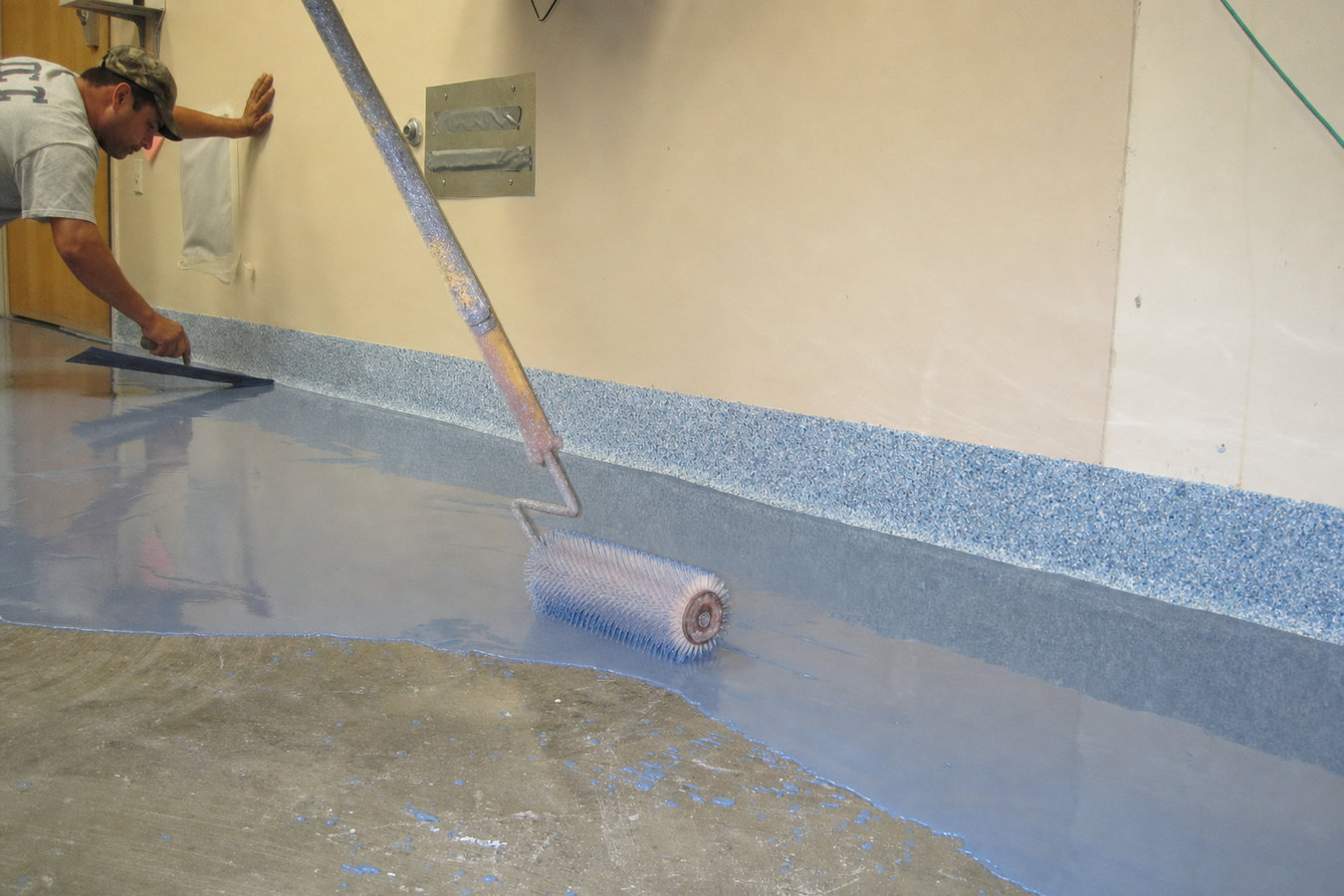
Homestead's sun, rain, and humid summers are hard on unsealed concrete. We seal driveways, patios, garage floors, and pool decks with products proven to hold up in South Florida's climate - not just look good on day one.
Concrete sealing in Homestead puts a thin protective layer over your concrete that keeps water, oil, and stains from soaking in - most driveways and patios are finished in a single day, with foot traffic safe within 24 hours. Think of it like a raincoat for your driveway: liquids bead up and wipe away instead of leaving permanent marks.
Unsealed concrete in Homestead absorbs everything it contacts - rainwater during the wet season, fertilizer from irrigation, algae spores, and oil drips from vehicles. Once sealed, the surface resists all of those things and is much easier to keep clean. If your concrete is already rough or has old coatings that need to come off before sealing, we start with concrete grinding and surface preparation to make sure the sealer bonds correctly. The Portland Cement Association notes that surface prep is the single biggest factor in sealer longevity - skipping it is the most common reason residential sealers fail early.
In South Florida, the choice between a surface sealer and a penetrating sealer matters more than it does in other climates. We recommend penetrating or low-sheen products for outdoor surfaces that get direct rain and sun - they protect from the inside without creating a slippery finish when wet, which is important on driveways and pool decks here.
Pour a small cup of water on your driveway. If it soaks in within a minute or two and darkens the surface, the sealer is gone or was never applied. Concrete that absorbs water like this is unprotected and will stain, crack, and degrade much faster - especially during Homestead's rainy season when standing water sits on flat driveways for extended periods.
If you notice green, gray, or black patches on your concrete, that is mold, mildew, or algae - organisms that thrive in South Florida's heat and humidity. This kind of staining is a clear sign the surface is porous and unprotected. Sealing after a thorough cleaning stops the cycle and makes future cleanups far easier.
Small cracks in concrete are normal on Homestead slabs where the oolitic limestone soil shifts with seasonal wet-dry cycles. But cracks that are growing or collecting dirt are letting water in - and water in a crack expands the damage over time. Sealing now, while the cracks are still small, is far less expensive than waiting until the slab needs repair.
Concrete that once looked clean but now appears washed out or chalky has likely lost its protective layer to UV exposure. In Homestead's intense sun, this can happen faster than homeowners expect - within two to three years on surfaces that face south or west. Resealing restores a consistent appearance and puts the protection back in place.
We seal residential and commercial concrete surfaces including driveways, patios, garage floors, walkways, and pool decks. Every job starts with a thorough surface assessment and cleaning - pressure washing, stain treatment, and crack evaluation before any product goes down. For surfaces that need more than cleaning before sealing, we can perform polished concrete or a full grind-and-prep pass first, so the sealer has a clean, open surface to bond to.
We also handle sealing as a protective step after concrete resurfacing and overlays, where a new overlay needs to be sealed to stand up to Homestead's UV and rainy season conditions. For pool decks and sloped surfaces, we add a non-slip aggregate to the sealer - an important step in South Florida where rain arrives almost daily from June through October. The Concrete Network is a reliable resource for understanding the difference between penetrating and surface sealers if you want to research product types before your estimate.
For homeowners who want to stop staining, mold, and UV fading from degrading their driveway year after year.
Suited for outdoor living areas where mold, algae, and foot traffic wear down unprotected concrete surfaces.
For pool areas where a non-slip, low-sheen sealer protects against water absorption and wet-surface traction issues.
Ideal for homeowners who want a sealed, easy-to-clean floor without a full epoxy coating system.
Protects new overlays and resurfaced areas from UV breakdown and moisture penetration after installation.
For slabs with hairline cracks that need to be addressed before water intrusion causes them to grow wider.
Homestead receives some of the most intense UV exposure in the continental United States, and its wet season brings heavy afternoon downpours from June through October that leave water sitting on flat concrete surfaces for extended periods. Those two forces - intense sun and repeated wet-dry cycles - wear unsealed concrete down faster here than almost anywhere else in the country. The oolitic limestone soil beneath most Homestead slabs shifts subtly as moisture levels change with the seasons, opening hairline cracks that let water in and widen over time. Sealing those cracks before they grow is one of the most cost-effective maintenance steps a Homestead homeowner can take. HOAs are also common in Homestead's newer subdivisions, and a stained, algae-covered driveway is one of the fastest ways to get a compliance notice.
We seal concrete across the Homestead area, including in Cutler Bay and Palmetto Bay, where the same HOA curb-appeal standards and South Florida climate conditions apply. Scheduling your sealing job in the dry season - November through April - gives the sealer the best chance to cure before the summer rains return. The National Weather Service Miami office publishes historical data on South Florida's rainy season timing if you want to plan around it.
Call or submit the form and we respond within one business day. We ask about the surface, its size, and whether there are visible cracks or staining - then schedule a free on-site visit so we can see the concrete in person before quoting a price.
During the estimate visit, we walk the surface and look for cracks, biological staining, previous sealer that is peeling, and anything that needs repair before sealing. We will tell you honestly what the surface needs and why - no padding the scope of work.
On the job day, the crew pressure washes and treats any staining first. The concrete must be completely dry before sealer goes down - in Homestead's humidity this sometimes means waiting a few hours or scheduling the application for the following morning to guarantee a proper bond.
After application, we tell you exactly when the surface is safe for foot traffic (usually 24 hours) and vehicles (48 to 72 hours). We walk the surface with you before leaving so you can see the finished result and ask any questions about maintenance going forward.
Free written estimate, no obligation. We reply within one business day.
(786) 244-9586We do not use the same products on a Homestead driveway that a contractor would use in a cooler, drier climate. We select sealers with proven UV resistance and recommend penetrating formulas for outdoor surfaces so your job lasts two to three years - not one.
South Florida's daily summer rain makes slip resistance a genuine safety issue on pool decks and sloped driveways. We add non-slip aggregate to sealers on any surface where traction matters - ask about it during your estimate and we will include it in the quote.
We have been sealing concrete in Homestead and South Miami-Dade long enough to know how the local climate, soil, and HOA expectations affect what products and approaches hold up here. That local experience shows up in the assessments we give before we start a job.
You get a written breakdown of what is included - labor, materials, and any prep work - before we start. No vague quotes that expand once we are on-site. Verify our license any time at the Florida DBPR website before anyone sets foot on your property.
Every concrete sealing job we complete is backed by a written estimate and honest advice on what your surface actually needs. If sealing alone is not the right answer - because the concrete needs grinding or crack repair first - we will tell you that upfront so you are not calling us back in twelve months to fix a job that was set up to fail.
Resurface worn or damaged concrete with a new overlay before sealing to restore both appearance and protection.
Learn MoreTake your interior concrete further with a polished and densified finish that requires minimal sealing maintenance.
Learn MoreThe wet season arrives fast - lock in your date now and protect your concrete before the summer storms hit.