
Loading...
Serving Homestead, FL and surrounding areas. (786) 244-9586
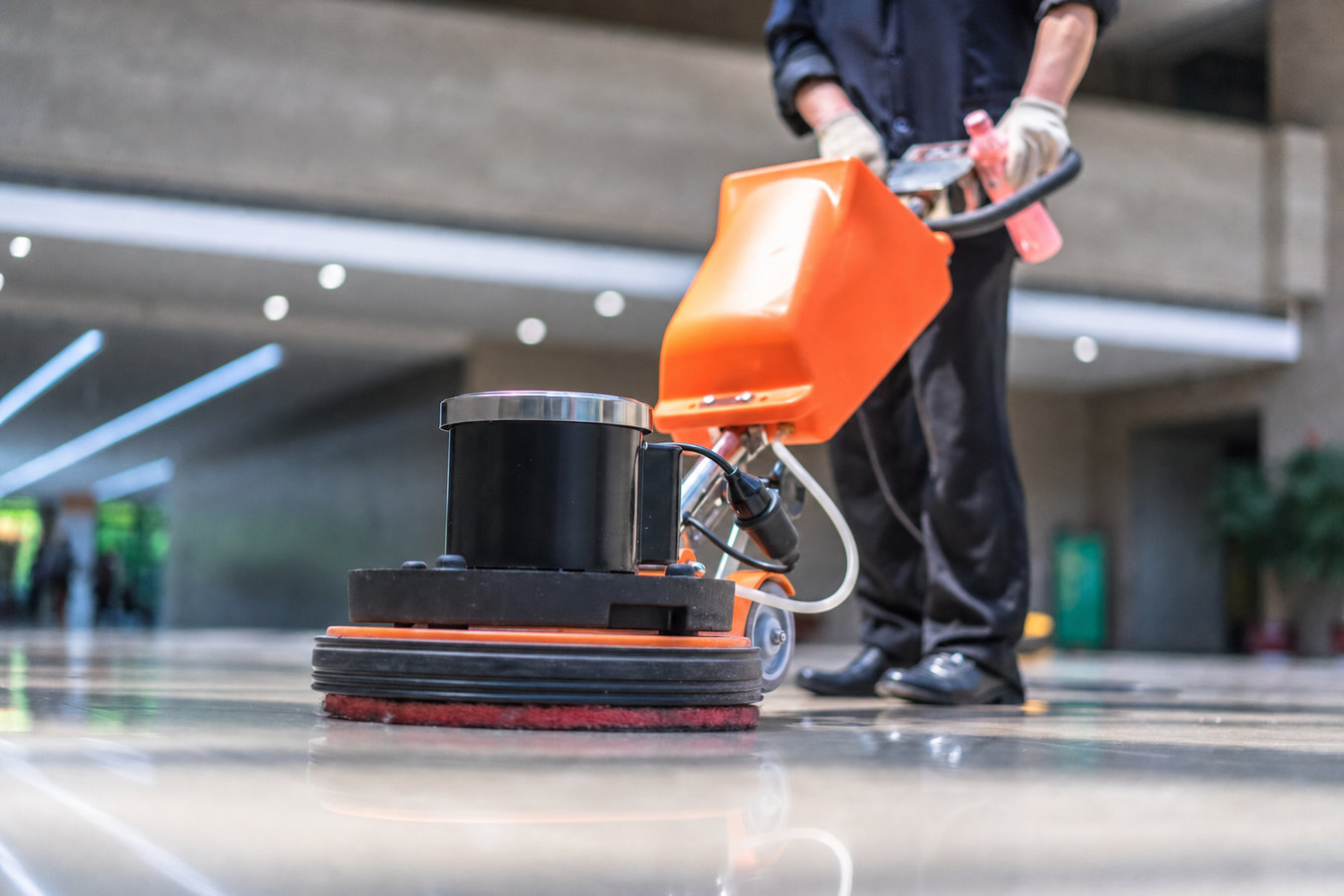
Old coatings, adhesive patches, and failed paint have to come off completely before new flooring can bond properly. We strip concrete floors down to bare, clean slabs - with full dust control and moisture testing before we leave.
Concrete floor stripping in Homestead is the process of removing an existing floor coating, adhesive, paint, or surface layer from a concrete slab so the bare concrete underneath is exposed and ready for whatever comes next - the slab stays in place, and most single-room jobs are completed in one full day, though larger areas or heavily bonded coatings can take two to three days.
Most crews use either mechanical grinding - a machine that physically abrades the surface - or chemical stripping, which softens the coating so it can be scraped away. We choose the method based on what is on your floor and what you plan to do with it afterward. In Homestead's humid climate, adhesives tend to bond more stubbornly than they do in drier regions, which means prep takes more effort here. When the stripping job is done and the slab is dry, the next step is often a new coating - and services like epoxy floor coatings or concrete grinding and surface preparation are common follow-on steps that bring the slab to the profile needed for new flooring to bond correctly.
Every estimate starts with an in-person visit. We want to see what is on your floor, check for moisture coming through the slab, and - if your home was built before 1985 - ask the right questions about whether adhesive testing is warranted before any grinding begins.
If you have had tile, vinyl, or a coating applied and it keeps peeling, bubbling, or cracking within a year or two, the problem is almost always what is underneath - not the new material itself. Old adhesive residue or a contaminated surface prevents new materials from bonding the way they should. Stripping the concrete back to a clean surface is the fix.
If you have already removed tile or vinyl and the concrete underneath is covered in dark, sticky patches or raised ridges of old glue, that surface is not ready for new flooring. Running your hand across it will tell you quickly - a surface that feels uneven, gummy, or rough in inconsistent patches needs to be stripped before anything new goes down.
In Homestead's climate, moisture that wicks up through the slab can get trapped under old flooring adhesives and coatings, creating a persistent musty or mildew-like smell that no amount of mopping will fix. If your floors smell off even after a thorough cleaning, the odor may be coming from beneath the surface. Stripping the old coating and addressing the moisture source is often the only lasting solution.
Many Homestead homes from this era have original vinyl tile or sheet flooring that is decades past its useful life. When this flooring starts to crack, curl at the edges, or show dark staining at the seams, the adhesive underneath has broken down. Before any new flooring goes in, the old material and adhesive need to come off - and in homes of this age, testing for asbestos first is a smart precaution.
We strip concrete floors in homes and commercial properties throughout Homestead and South Miami-Dade County. Whether you are dealing with old tile mastic, a failed epoxy coating, paint that is peeling in sheets, or multiple layers of adhesive built up over decades, we have the equipment and process to remove it cleanly. Dust control is built into every job - we seal off the work area with plastic sheeting and use vacuum-equipped grinding machines throughout, so the rest of your home stays clean. After stripping, we test moisture levels in the slab before recommending next steps - because putting new flooring down on a damp slab is one of the most common reasons new floors fail in this climate. For more detail on adhesive testing standards and contractor selection, the EPA's asbestos guidance and OSHA's silica dust standard are reliable reference points for understanding what responsible contractors do.
Once the slab is stripped, clean, and dry, the surface is ready for new flooring - epoxy systems, polished concrete, tile, or whatever the next phase calls for. We can help you plan that next step and coordinate with the flooring installation so nothing is applied to a surface that is not ready.
For thick coatings or heavily bonded adhesive - diamond-cup grinding machines abrade the surface quickly and work well on large areas.
For tight spaces or when dust is a concern - a solution softens the coating so it can be scraped away without grinding equipment.
For homeowners who have removed tile and are left with dark adhesive patches across the slab - the most common stripping job in older Homestead homes.
For garage floors, utility rooms, and commercial spaces where old coatings are peeling and need to come off completely before a new system goes down.
For homes built before 1985 - we recommend adhesive testing before any work begins and coordinate with licensed abatement professionals if needed.
After stripping, we test the concrete for moisture before signing off - so whatever goes down next has the best possible chance of lasting.
Homestead experiences some of the highest average humidity levels in the continental United States, and that moisture gets into concrete slabs and makes adhesives bond more stubbornly than they would in a drier climate. It also means the slab needs more time to dry out after stripping before new flooring can go down - plan for a longer wait between the stripping job and whatever comes next. A large portion of Homestead's housing stock was built in the 1970s through 1990s, when vapor barriers were thinner or sometimes absent altogether. Without a good barrier, ground moisture wicks up through the slab constantly, which can cause old adhesives to re-bond after stripping and means your contractor needs to assess moisture levels carefully before recommending a new floor covering. Homeowners in Naranja and Goulds deal with the same older housing stock and slab moisture conditions, and we account for both in how we approach every job in this part of Miami-Dade County.
Homestead was also ground zero for Hurricane Andrew in 1992, and the area continues to see significant storm activity. After major storms, demand for flooring contractors spikes sharply across Miami-Dade County, which can push wait times out by weeks. If you are renovating after storm damage, getting on a contractor's schedule early - before the post-storm rush - can save you both time and money. The Florida Department of Health has clear guidance on asbestos handling requirements for older homes in this region.
We ask a few basic questions - room size, type of flooring or coating currently on the slab, and whether the home was built before 1985. This helps us show up to the estimate with the right information. Most contractors in the Homestead area can schedule an in-person visit within a few days. Expect a reply from us within 1 business day.
We walk the space, look at what is on the floor, and check for signs of moisture coming up through the slab. If your home is older, we may recommend a simple adhesive test before quoting - that is a good sign, not a delay. You get a written estimate that breaks down the cost by what is being removed and how.
The crew seals off doorways with plastic sheeting, then uses grinding machines, scrapers, or chemical solutions based on what is on your floor. Grinding is loud even with vacuum attachments running, so plan for people and pets to stay out for the full day. Most single-room jobs are done in one day. The surface will look raw and unfinished when the crew leaves - that is exactly right.
Before you can put anything new on the concrete, the slab needs to be completely dry. In Homestead's humid climate, this can take 24 to 72 hours or more depending on the season. We test moisture levels before signing off, walk you through the surface, and tell you exactly what it is ready for and what comes next.
Free written estimate. We visit in person, assess the slab, and give you a price before any work begins.
(786) 244-9586If your Homestead home was built before 1985, we ask the right questions and recommend adhesive testing before any grinding starts. You are never put in a position where you find out after the fact that something hazardous was disturbed. This is a non-negotiable step for us on older homes in this area.
Dust control is the part of this job homeowners complain about most when it goes wrong. We seal off the work area before we start and use vacuum-equipped machines throughout, so the rest of your home stays clean. Your family and your air conditioning system are not dealing with concrete dust for days after we leave.
We test the slab for moisture before signing off - every time. In Homestead's humid climate, putting new flooring on a slab that has not fully dried is one of the most common reasons new floors fail within a year. We give you a clear answer on whether the surface is ready before we pack up.
After hurricane damage, contractor prices in Miami-Dade can shift quickly as demand spikes. We give you a written quote that locks in your price before work begins, so you are not caught off guard by add-ons or last-minute changes. A licensed contractor familiar with Miami-Dade County rules also means the permit question is handled correctly if it applies to your project.
These details matter in Homestead specifically - older housing stock, high humidity, and post-storm demand spikes are the realities of this market. We have worked on floors throughout South Miami-Dade and know what the job requires here.
Once the slab is stripped and dry, epoxy coatings are a durable, easy-to-clean finish for garages, utility rooms, and commercial spaces.
Learn MoreFor slabs that need a specific surface profile before a new coating bonds - grinding brings the concrete to the right texture for whatever system goes on next.
Learn MoreHomestead crews book fast after storm season - call now or request a free written estimate and lock in your date before the rush.